
 português
 English
 français
 Deutsch
 русский
 español
 العربية
 日本語
日本語 한국의
한국의 Tiếng việt

ligue-nos agora
TEL : + 86-4000988557;
Skype ID: gfreex@hotmail.com;
WeChat: STEP_ADTECH;
QQ ID: 8936906.

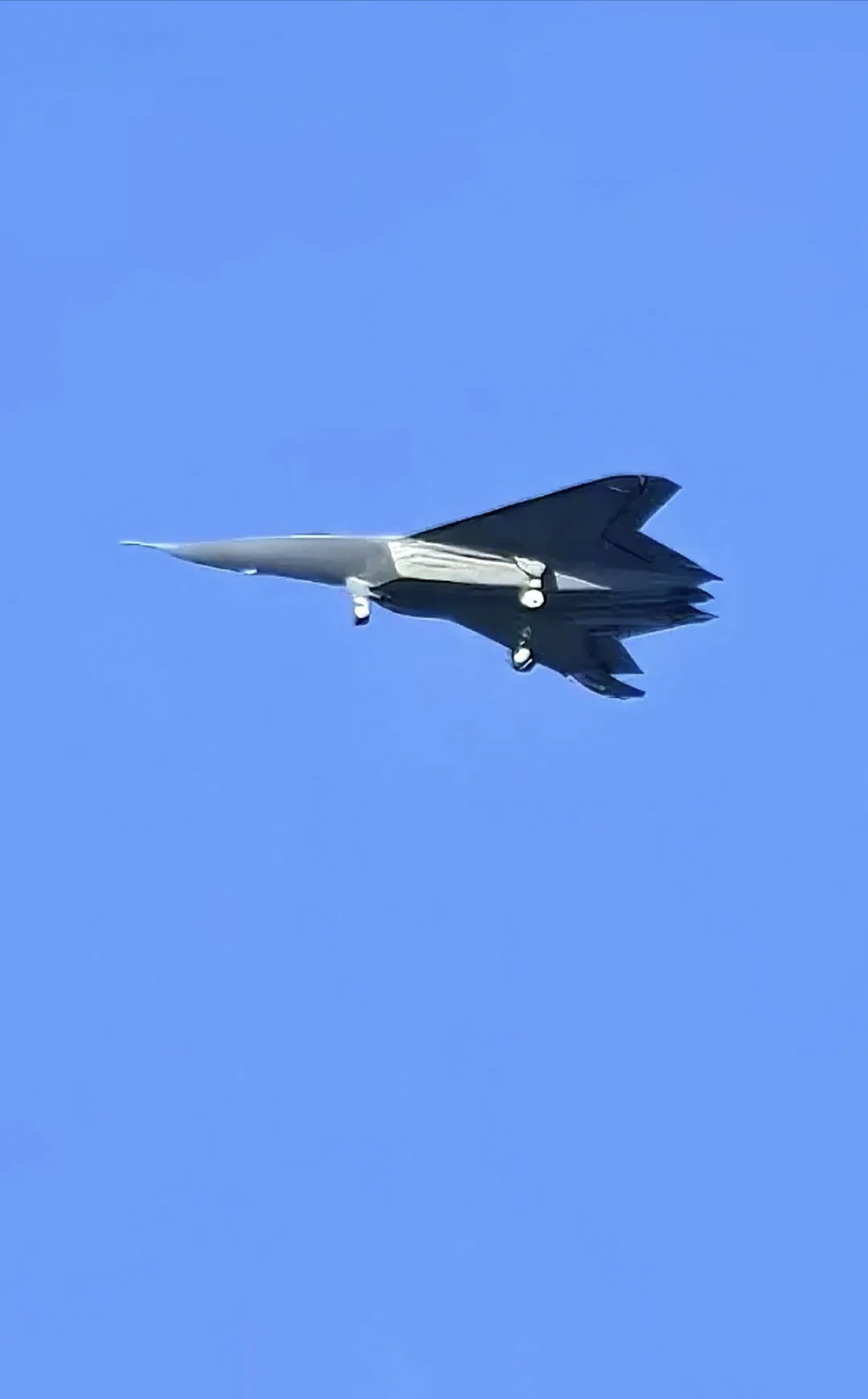
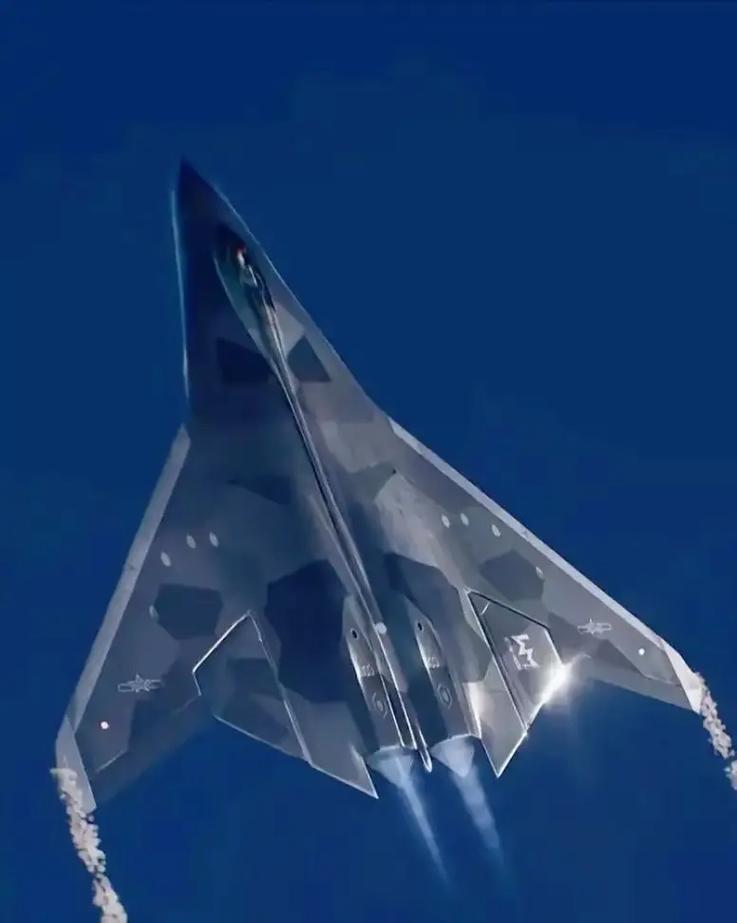
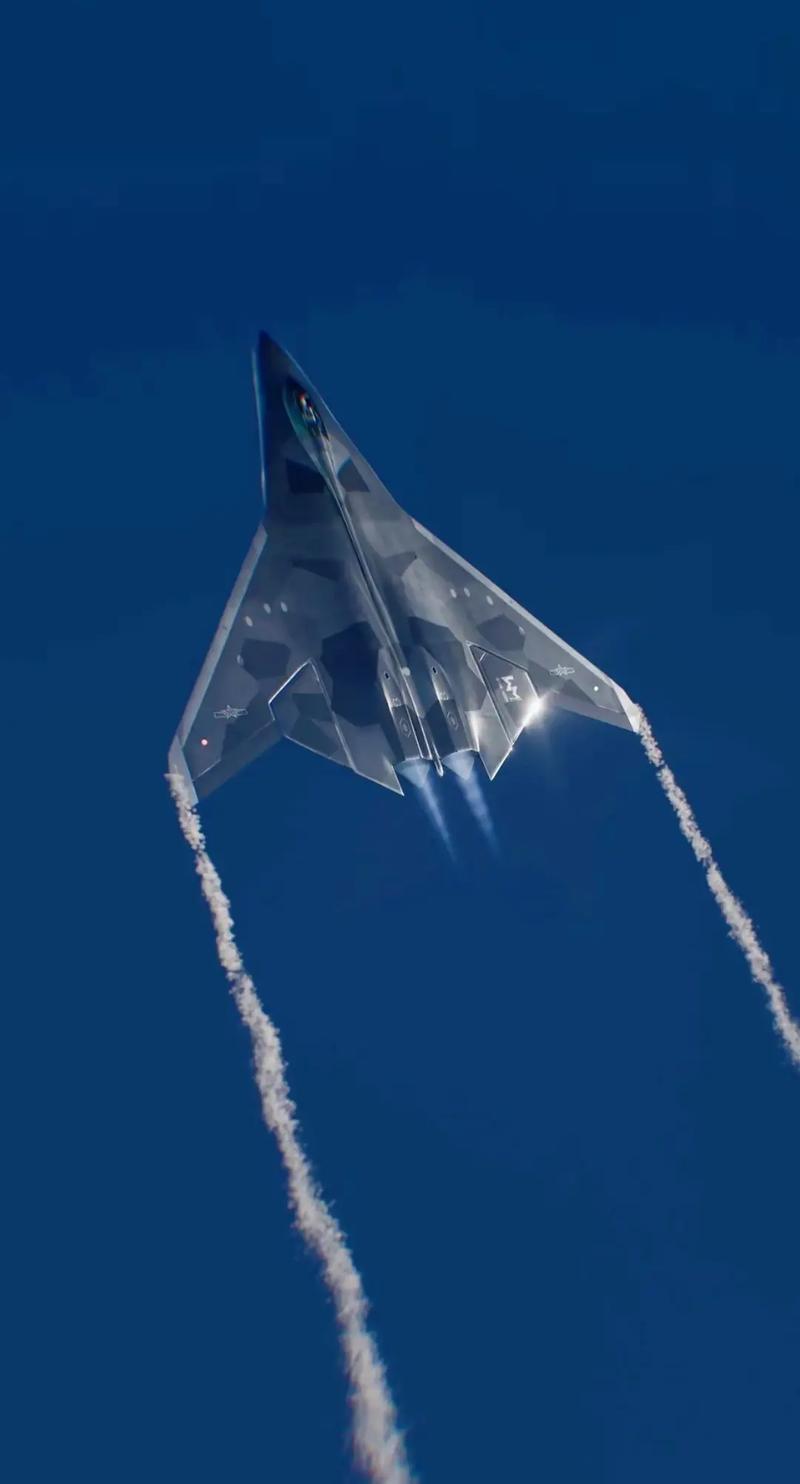
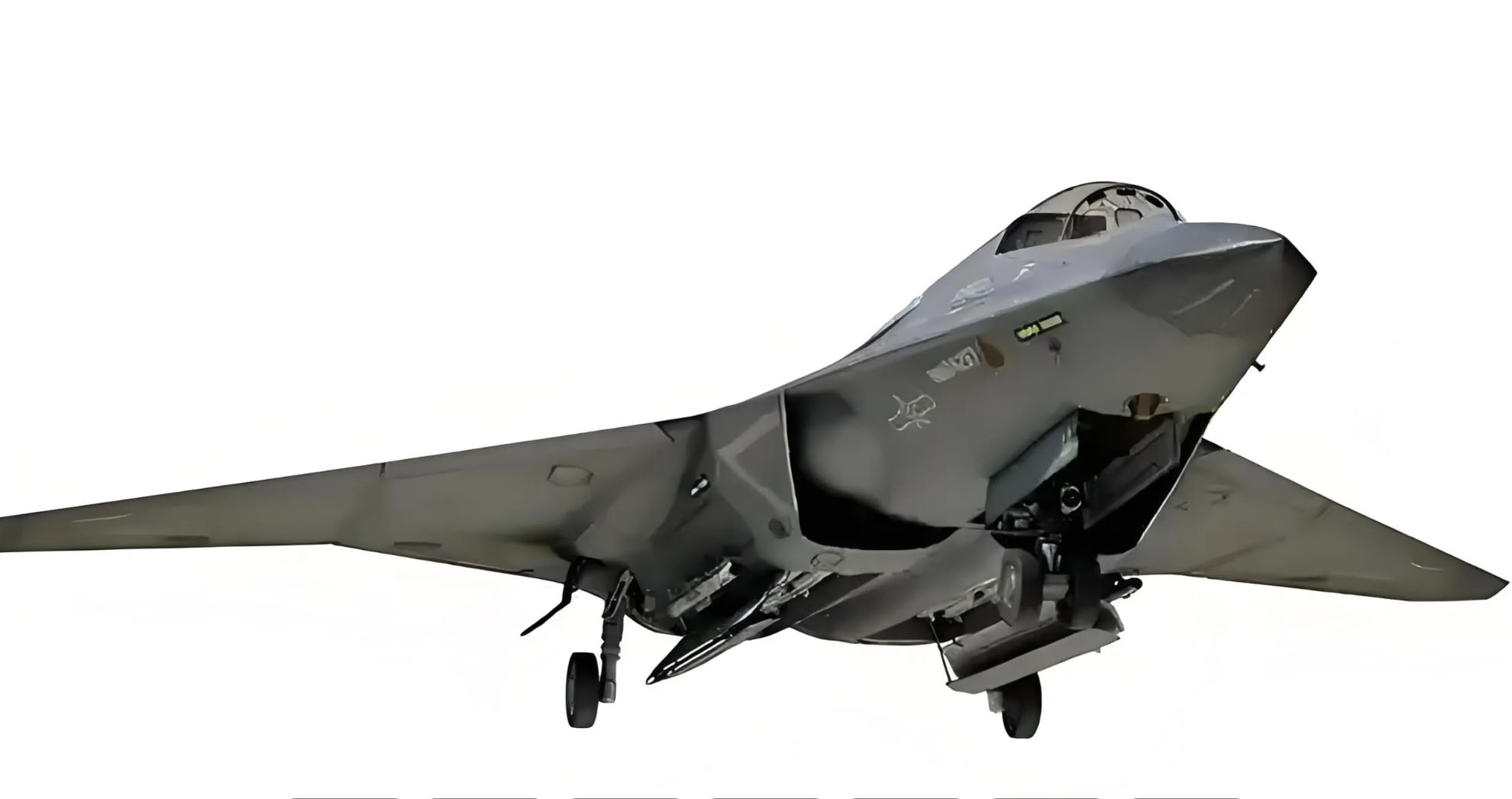
J-50 "Dragão Fantasma": O caça de sexta geração da China redefine a ordem do poder aéreo global em todos os aspectos.
"Seção transversal de radar de 0,001 metros quadrados, velocidade máxima de Mach 5,5, comando de IA de 200 drones" — Enquanto os EUA ainda debatem o nome de seu caça de sexta geração, a pluma de exaustão do J-50 já definiu novas regras nas nuvens.
I. Revolução do Design: Uma Arquitetura Física Revolucionária
1. Dimensões: Equilíbrio preciso para adaptação ao suporte
Layout da estrutura da aeronave:
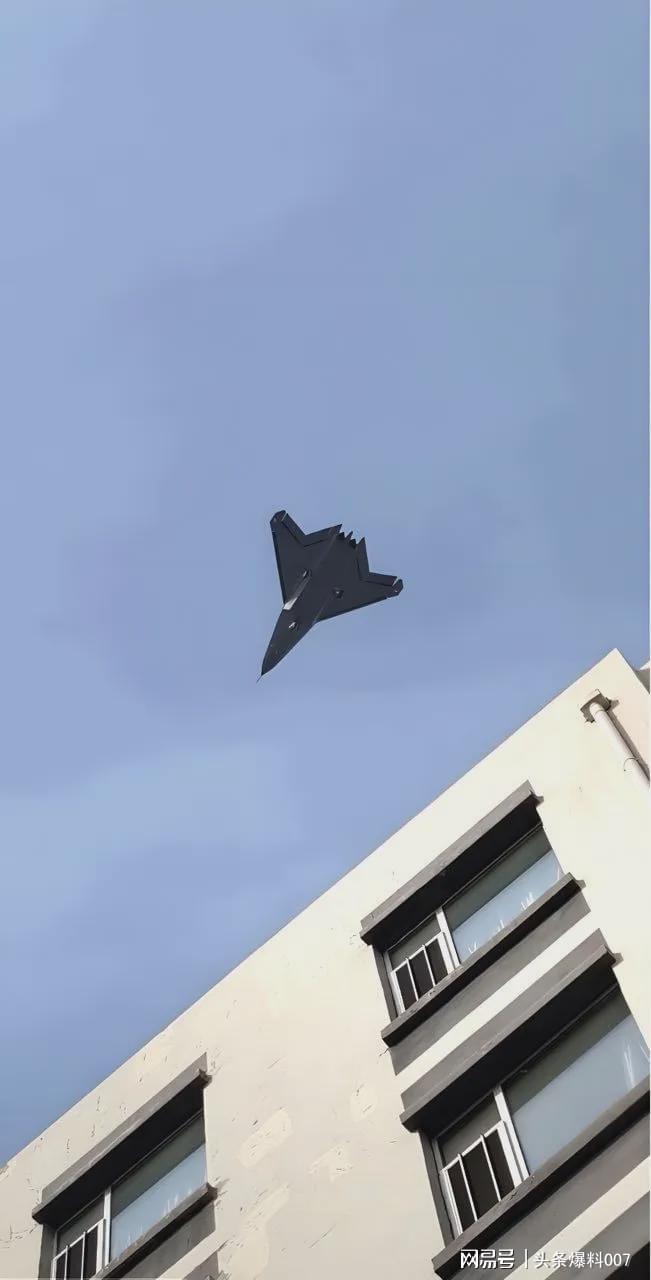
Comprimento total de 22 metros, envergadura de 14 metros (aberta) / 7,2 metros (fechada), altura de 4,8 metros, peso vazio de 19 toneladas e peso máximo de decolagem de 33 toneladas. Essas dimensões são especificamente otimizadas para operações em porta-aviões — a largura dobrada é 3 metros menor que a do J-15, aumentando a capacidade de aeronaves embarcadas do Fujian em 40%.
Reforço do trem de pouso:
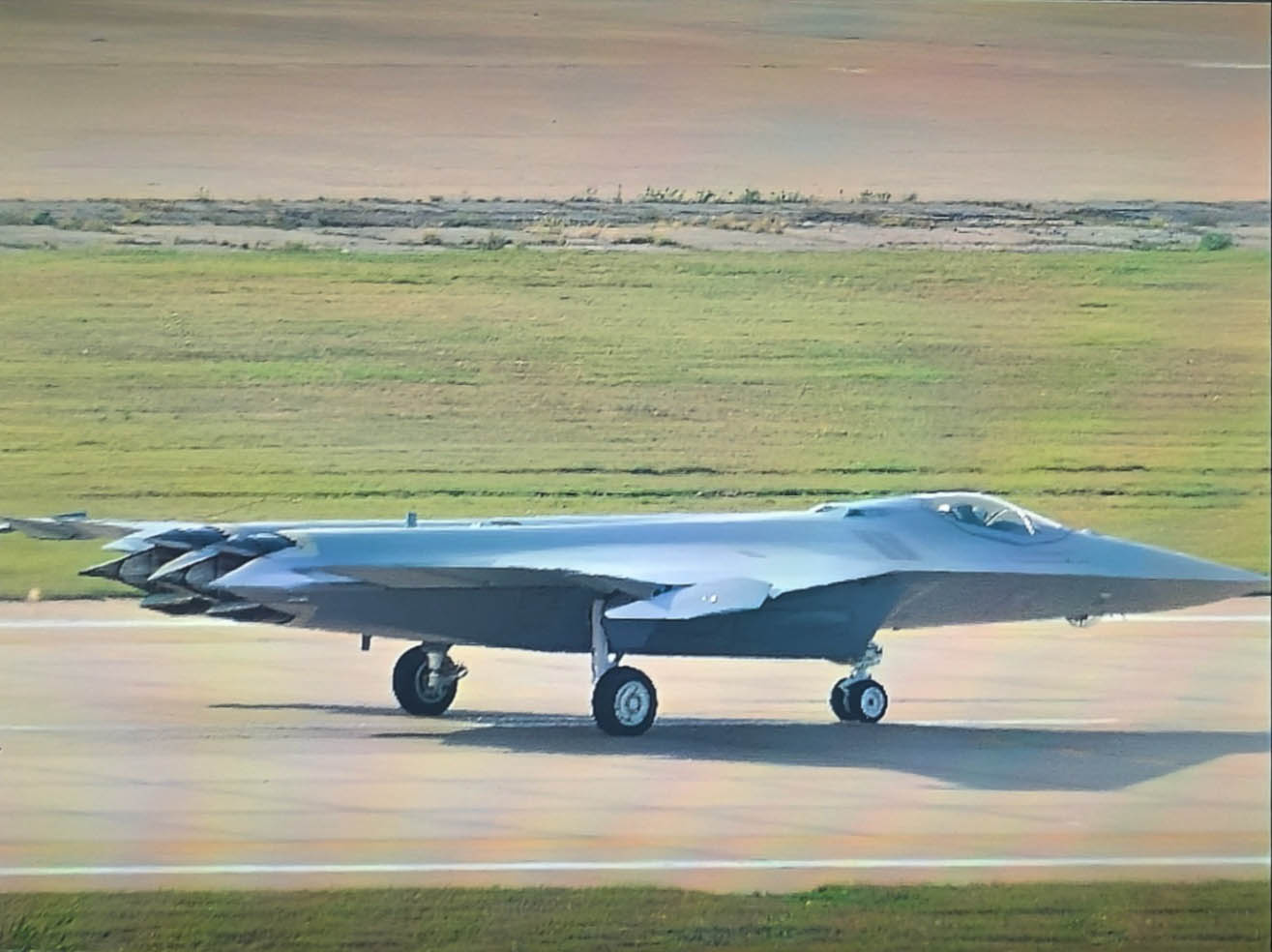
O trem de pouso dianteiro utiliza uma estrutura de roda dupla em liga de titânio, capaz de suportar impactos de aterrissagem de 7 m/s; o curso do amortecedor hidráulico do trem de pouso traseiro foi aumentado em 30%, adaptando-se às altas cargas de aceleração das catapultas eletromagnéticas.
2. Inovação Aerodinâmica: Um "Transformer" sem Cauda
Sistema Lambda Wing:
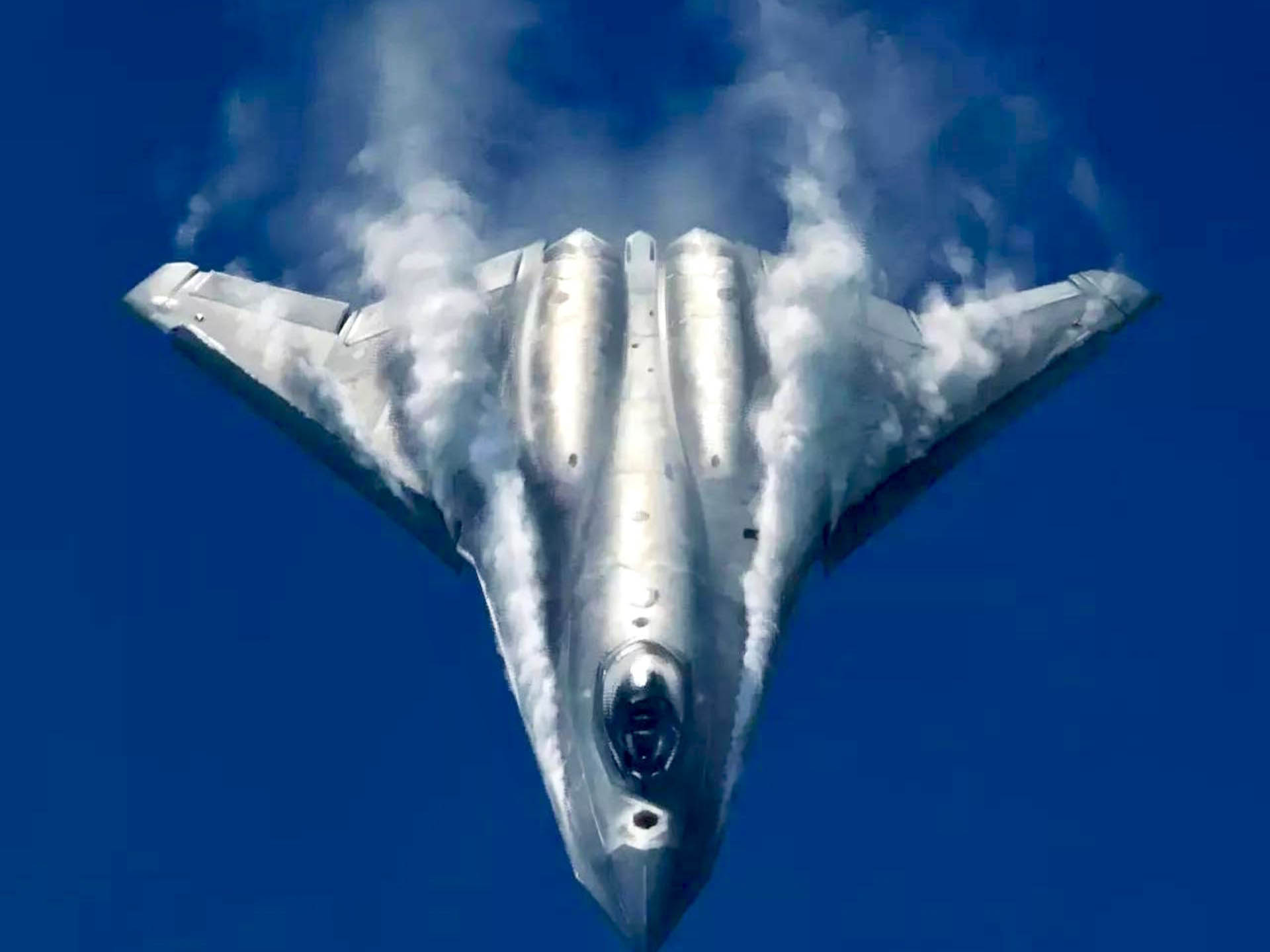
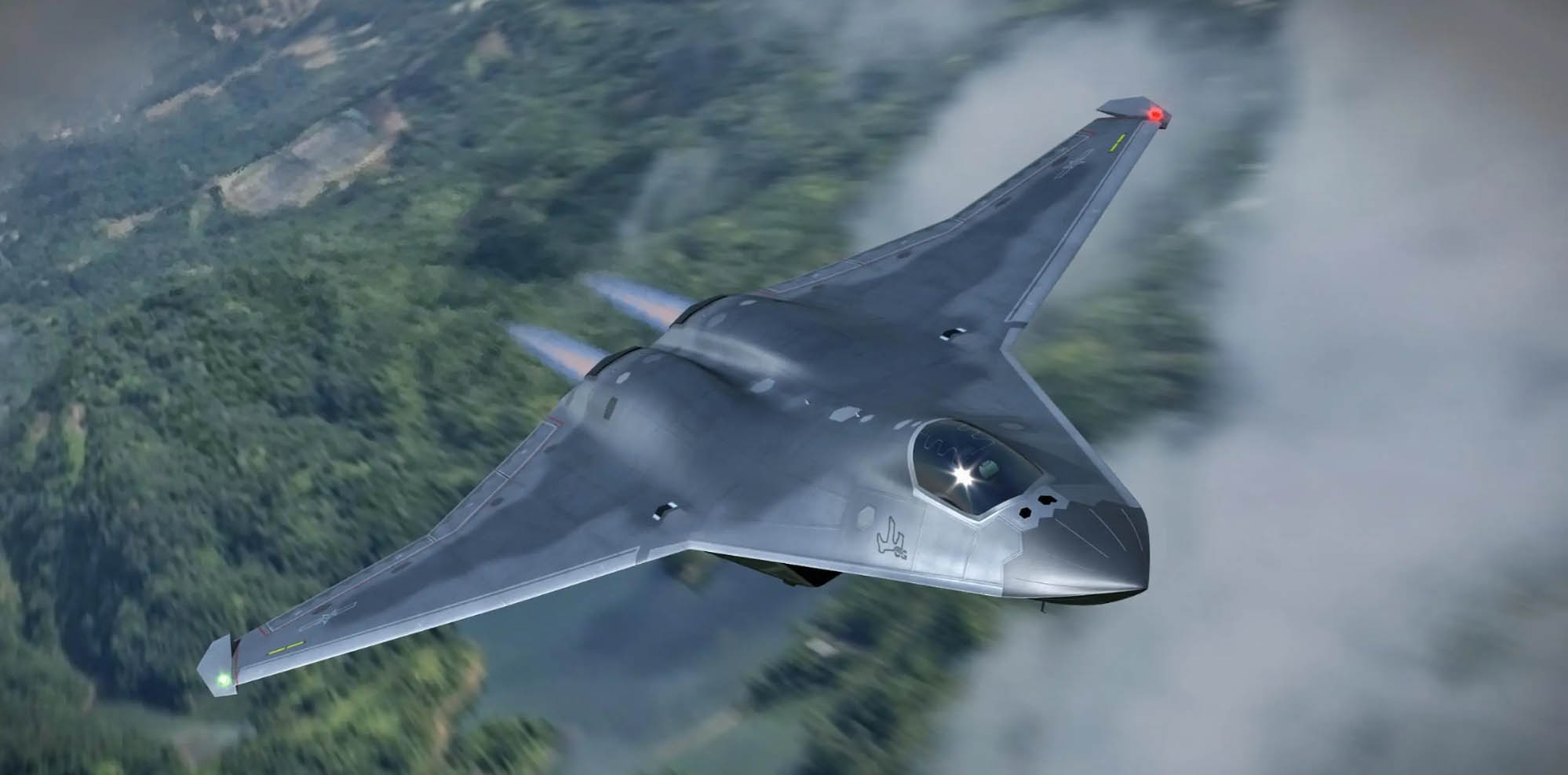
Um ângulo de enflechamento de 55° na seção interna da asa (cruzeiro supersônico) + um ângulo de enflechamento de 30° na seção externa da asa (decolagem e pouso em baixa velocidade), alternados perfeitamente por meio de uma estrutura de liga de níquel-titânio com memória de forma, reduzindo o arrasto em 18%.
As pontas das asas totalmente móveis substituem a cauda vertical:
Elas se dobram em linha reta para reduzir o arrasto durante voos em alta velocidade e se elevam para atuar como lemes durante combates aéreos, permitindo uma manobra de "folha caindo" de 360° em 5 segundos, em conjunto com bicos de vetorização bidimensionais.
II. Desempenho furtivo: de "invisível" a "inexistente"
1. Tecnologia de camuflagem dinâmica quadridimensional
Sistema de pele inteligente:
Um revestimento de grafeno em nanoescala, incorporando elementos de terras raras (térbio, disprósio) e fibras de carbeto de silício, ajusta dinamicamente as características de reflexão das ondas de radar, reduzindo o alcance de detecção do radar de banda X para 40 quilômetros (em comparação com 120 quilômetros para o F-22).
Design Estrutural Invisível:
Os "ranhuras" sob a fuselagem utilizam o princípio da dispersão em ângulo agudo para desviar as ondas de radar; o tubo de Pitot é substituído pela medição de velocidade a laser, eliminando as fontes de reflexão metálicas.
2. Camuflagem infravermelha e acústica
Bocal de escape tipo "concha":
O bocal é defletido para cima em 15°, em conjunto com as placas de proteção térmica da fuselagem, resultando em uma intensidade de sinal infravermelho de apenas 40% da do F-35, reduzindo a distância de detecção do míssil infravermelho para 8 quilômetros.
Design ultrassilencioso:
As bordas serrilhadas da entrada de ar reduzem o ruído do fluxo de ar, e, combinadas com as pás ocas de corda larga do motor turbofan WS-19, atingem um nível de ruído de apenas 85 decibéis a 200 metros (equivalente a um carro de passeio).
III. Sensoriamento e Guerra Eletrônica: Visão Global Habilitada pela Computação Quântica
1. Sistema de radar
Matriz de Detecção Principal:
A parte frontal da aeronave está equipada com um radar quântico, operando nas bandas L/S/X/Ku, com um alcance de detecção de 350 km contra alvos furtivos. Ele pode rastrear simultaneamente 50 alvos e guiar 16 mísseis.
Sistema de Abertura Distribuída:
Doze sensores eletro-ópticos EODAS estão embutidos na fuselagem e nas raízes das asas, proporcionando um campo de visão esférico de 360° e uma precisão de imagem infravermelha de 1024×1024 pixels.
2. Guerra Eletrônica e Capacidades Centradas em Rede
Supressão do espectro eletromagnético:
Os pods nas pontas das asas emitem micro-ondas de 120 kW, capazes de desativar sistemas de radar em um raio de 400 km; durante um exercício no Mar da China Oriental em 2024, isso fez com que o radar de controle de tiro de um F-15J japonês permanecesse inoperante por 15 minutos.
Link de dados criptografado por computação quântica:
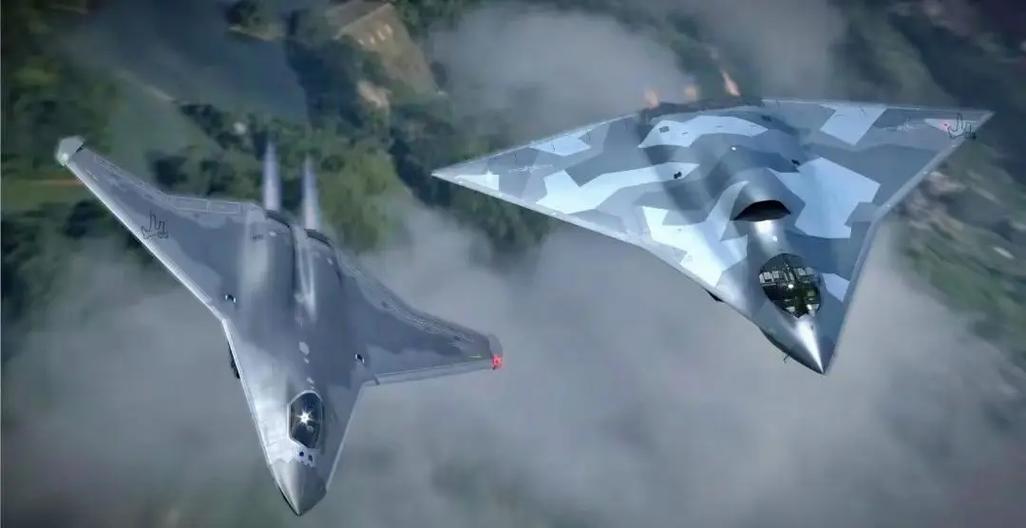
Taxa de transmissão de 500 MB/s (10 vezes maior que a do 5G), permitindo o compartilhamento em tempo real de hologramas do campo de batalha com caças J-36, aeronaves de alerta antecipado KJ-600 e drones Attack-11.
Comutação de Missão Modular
Modo Anti-Acesso: Quando equipados com mísseis antinavio YJ-21, 12 caças J-50 podem lançar 24 mísseis antinavio a um alcance de 1.000 quilômetros em 12 minutos, paralisando o grupo de ataque do porta-aviões.
Modo Porta-Veículos Aéreos Não Tripulados (VANTs): O compartimento de bombas pode acomodar 20 VANTs suicidas "Dark Sword", com um grupo de comando de IA lançando um ataque suicida contra estações de radar/locais de mísseis.
V. Desempenho de voo: redefinindo os limites de velocidade
1. Núcleo de Potência
Motor WS-15 modificado:
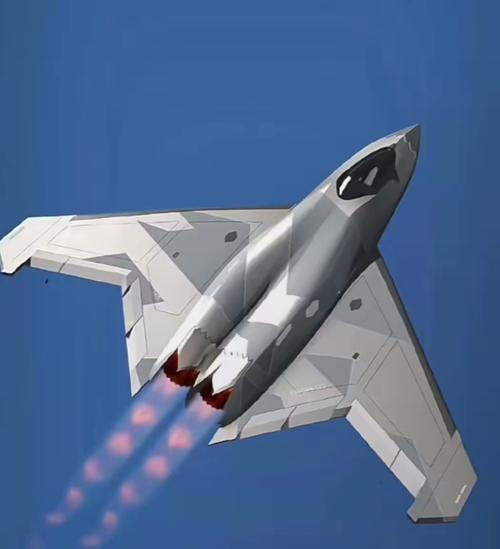
Dois motores com empuxo máximo de 18 toneladas × 2, taxa de derivação ajustável de 0,25 a 1,2, permitindo supercruzeiro a Mach 1,8 por 3 horas; velocidade máxima de sprint de Mach 5,5 (Xangai a Taipei em apenas 7 minutos).
2. Alcance e características de decolagem/pouso
Raio de combate:
Com carga útil padrão, alcança 2.200 quilômetros; com reabastecimento em voo por um parceiro, pode cobrir Guam; se lançado de Fujian, seu alcance de controle se estende até a segunda cadeia de ilhas.
Adaptabilidade a bordo:
Peso de decolagem por catapulta eletromagnética de 32 toneladas, velocidade de aproximação para pouso de 400 km/h (F-35C 240 km/h), eficiência de recuperação aprimorada em 40%.
VI. Impacto Estratégico: Reestruturação do Cenário Global do Poder Aéreo
1. Ultrapassagem tecnológica e desequilíbrio na corrida armamentista com os EUA
Programa NGAD em posição passiva:
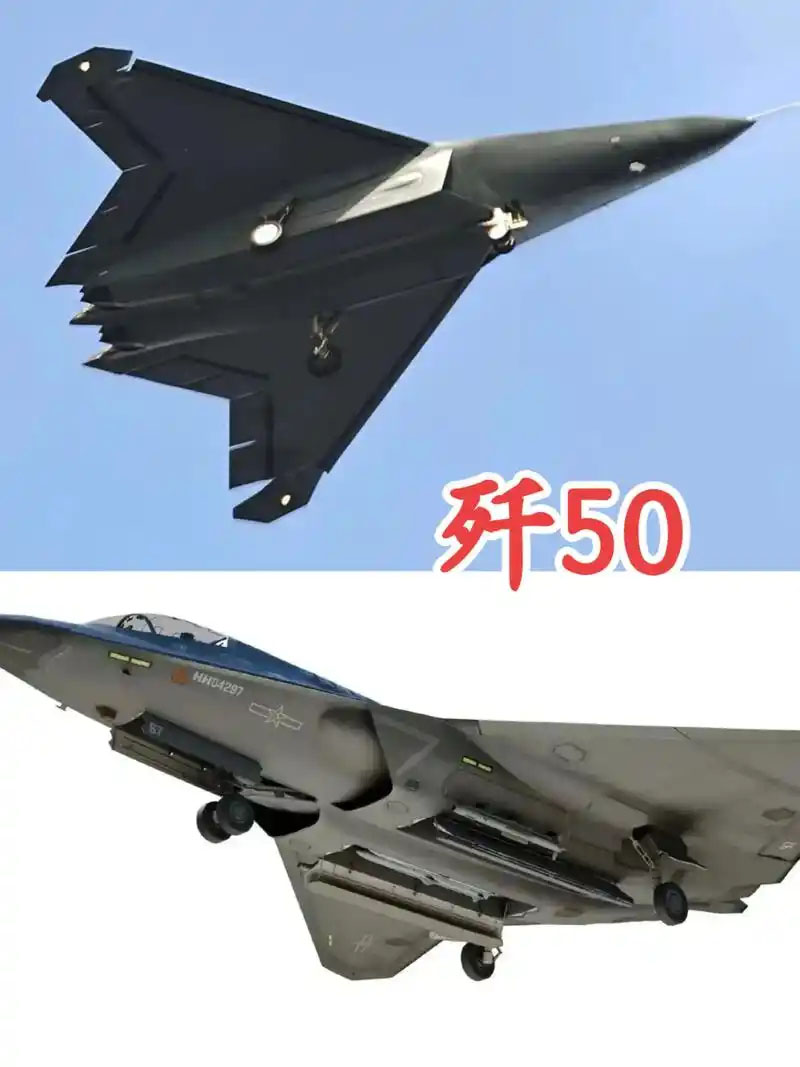
O preço unitário do caça de sexta geração americano F/AXX disparou para US$ 300 milhões (em comparação com aproximadamente US$ 120 milhões para o J-50), e o protótipo ainda não realizou seu voo inaugural; o F-45 "Tomcat II" da Marinha foi exposto por copiar o projeto sem cauda do J-50.
Diferença geracional no sistema de combate:
Simulações militares dos EUA mostram que 12 F-35 contra 6 J-50 + 24 drones têm uma taxa de troca de 1:4,3; a "taxa de primeira detecção" do F-22 contra o J-50 é de apenas 1:3.
3. Reestruturação do Mercado Global de Defesa
O Fim da Hegemonia do F-35:
A Turquia, o Brasil e outros países suspenderam as compras do F-35 e, em vez disso, estão sondando a versão de exportação do J-50 (FC-50); a Arábia Saudita manifestou interesse preliminar em um acordo de "petróleo por caças".
Inovação na Teoria do Combate Aéreo:
A OTAN revisou sua "Doutrina de Combate Aéreo 2030", adicionando capítulos sobre "contramedidas contra enxames de UAVs" e "interceptação hipersônica", reconhecendo que "os sistemas tradicionais de alerta antecipado são ineficazes contra os caças de sexta geração da China".
Jato de combate J-50;
Caça J-50;
J-50
TEL : + 86-4000988557;
Skype ID: gfreex@hotmail.com;
WeChat: STEP_ADTECH;
QQ ID: 8936906.


















continue lendo, mantenha-se informado, inscreva-se, e nós o convidamos a nos dizer o que você pensa.
 IPv6 rede suportada 粤ICP备2021036697号
 Serviço on-line
 4000988557
 sales1@troysupply.comsales2@troysupply.com
 Richard Liu
 TROY
TROY 8936906
 Troysupply_com